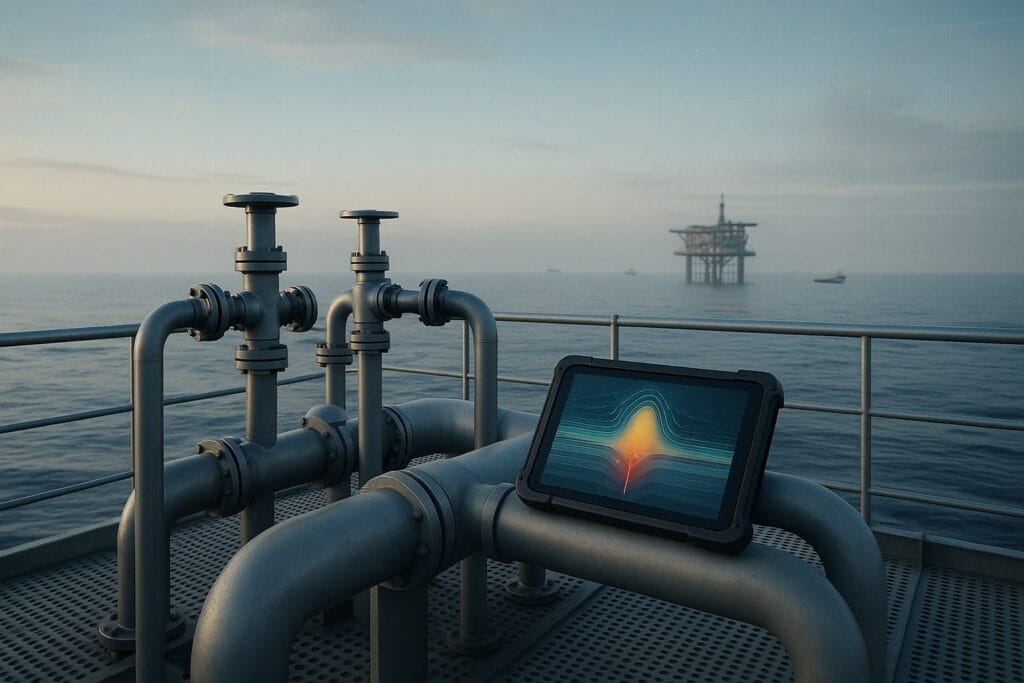
Denmark is turning a depleted oilfield in the North Sea into what could be the European Union’s first fully operational offshore CO₂ storage site. The plan is bold: start by injecting 400,000 tonnes of carbon dioxide a year from the middle of 2026, then scale up to as much as 8 million tonnes annually by 2030.
For a country of fewer than 6 million people, that is a striking shift in how the North Sea is used. For Europe, the Greensand Future project is a test of whether carbon capture and storage (CCS) can move from powerpoint slides to steel and rock at the speed required by climate targets.